
Research
Multiscale mechanisms and molecular design.
We integrate QM/MM reaction-path sampling, atomistic molecular dynamics, enhanced sampling and kinetic models to connect microscopic mechanisms with thermodynamic and experimental observables.

Catalysis & reaction mechanisms
Resolve chemical reactivity in heterogeneous biomolecular environments.
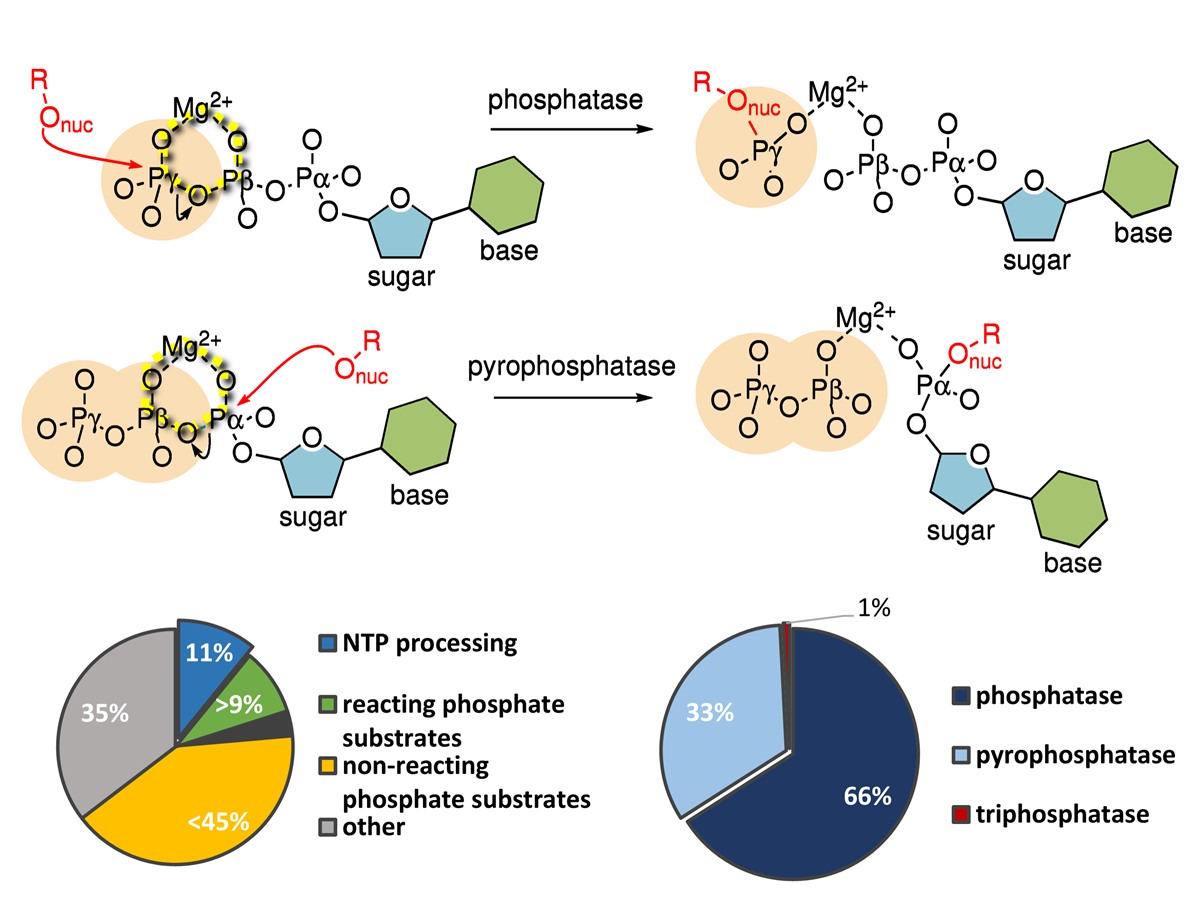
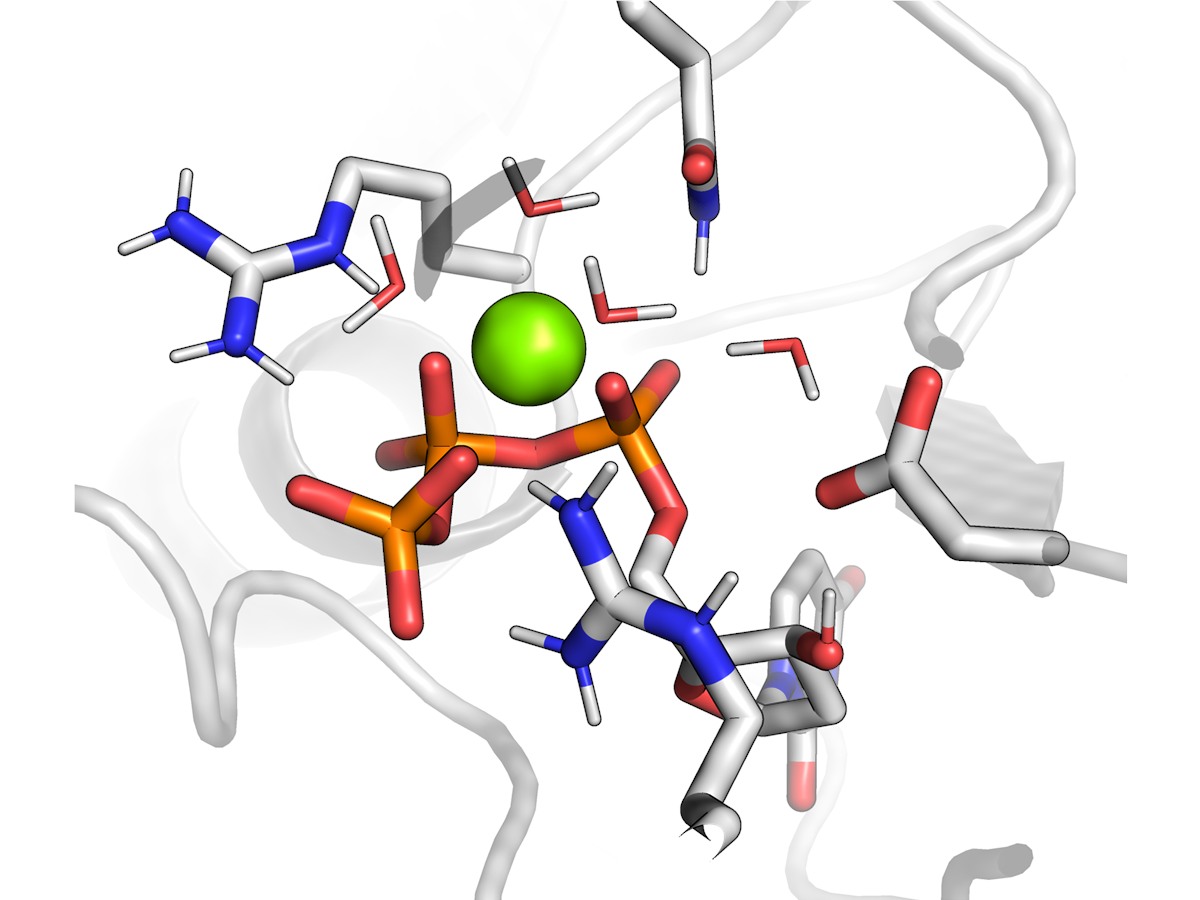
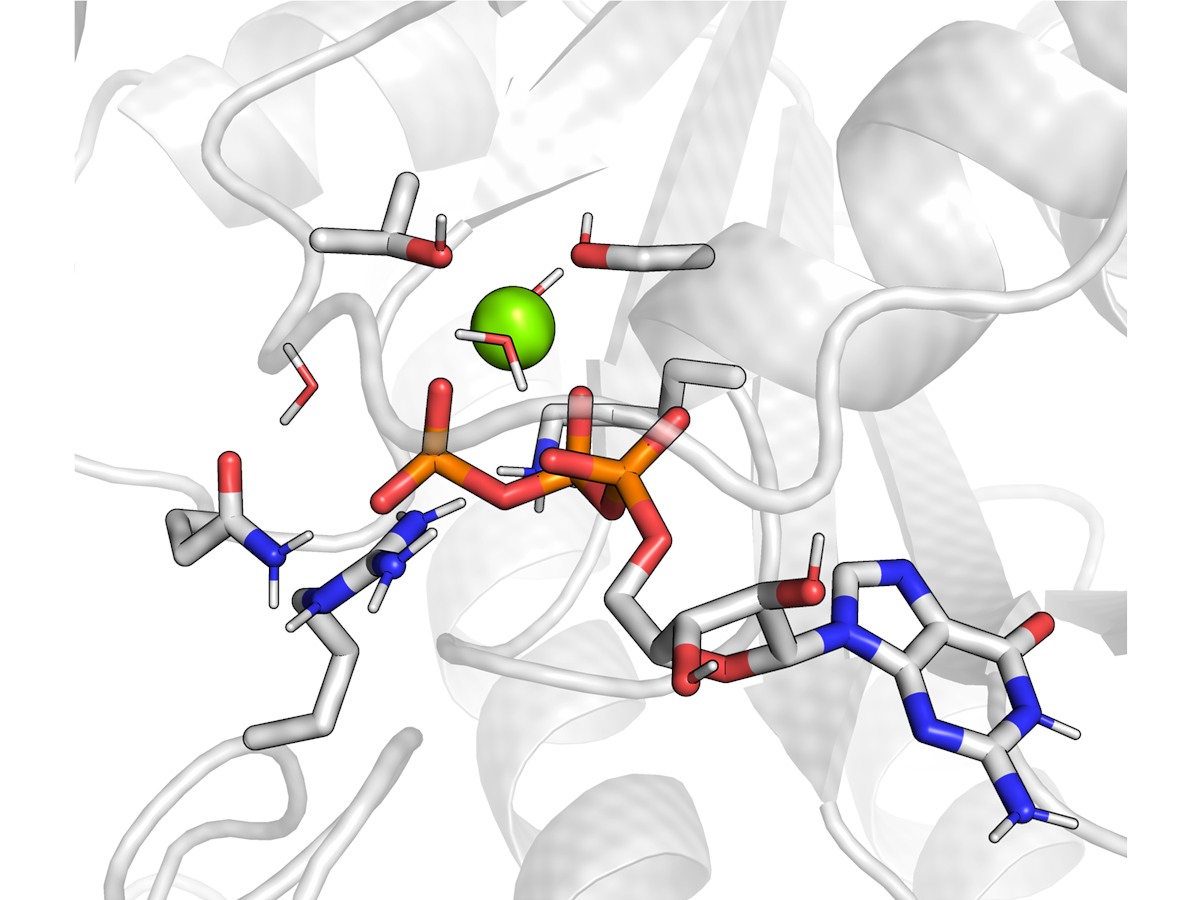
Enzymes accelerate reactions through a precisely organised network of electrostatics, proton transfers, metal coordination and conformational motion. We use quantum mechanics/molecular mechanics calculations to resolve these contributions and test competing mechanistic hypotheses.
Phosphate chemistry
Hydrolysis and transfer reactions in nucleotide-processing and signalling enzymes.
Metalloenzymes
Metal identity, coordination geometry and their influence on selectivity and reaction barriers.
Protein redesign
Mechanism-based sequence changes that recover or reshape catalytic activity.
QM/MM workflows
Reaction paths, free-energy profiles and high-level electronic-structure refinement.
Free energies, kinetics & pathways
Recover thermodynamic landscapes and rare-event kinetics.
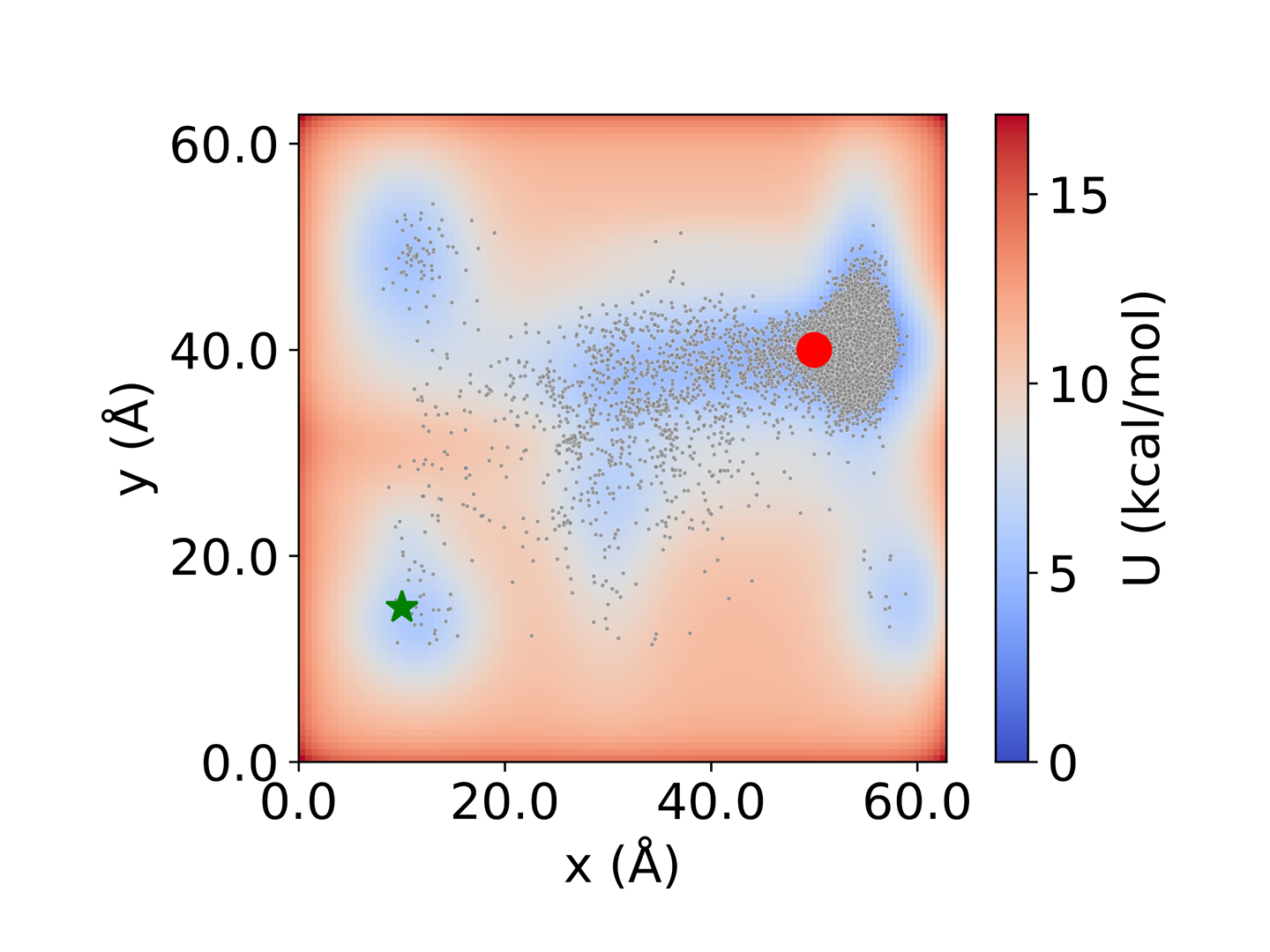
Biomolecular function depends on rare events and distributed ensembles. We build analysis and enhanced-sampling approaches that recover equilibrium populations, kinetic pathways and barrier-crossing rates from simulation data.
Enhanced sampling
Biasing strategies that access states and transitions beyond conventional simulation timescales.
Markov models
Network descriptions of molecular state-to-state dynamics.
DHAM methods
Dynamic histogram analysis for free energies and kinetics from biased trajectories.
Electron transfer
Rate calculations that connect electronic coupling, solvent response and molecular motion.
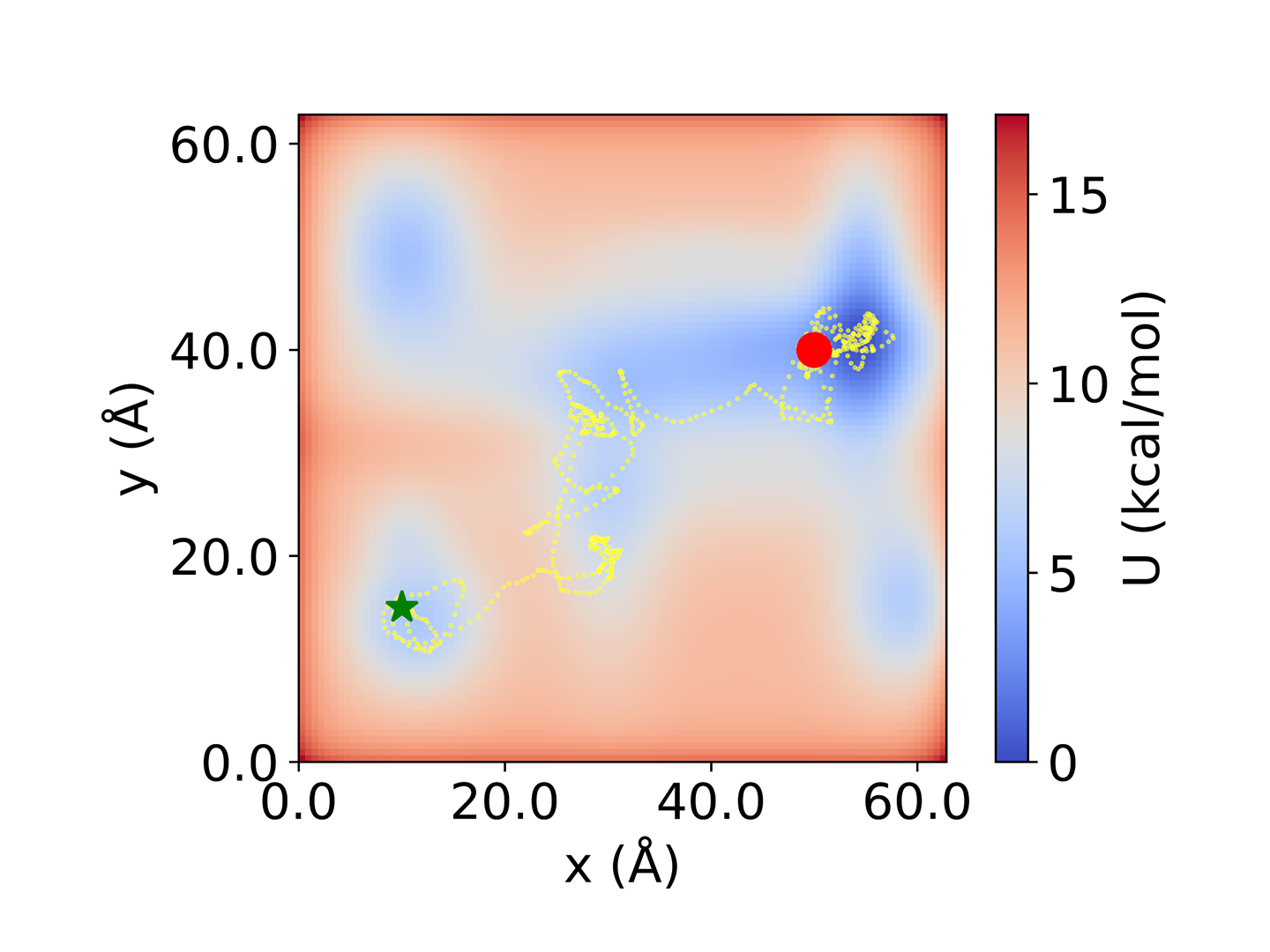
fij = πiKij(1 − qi)qj
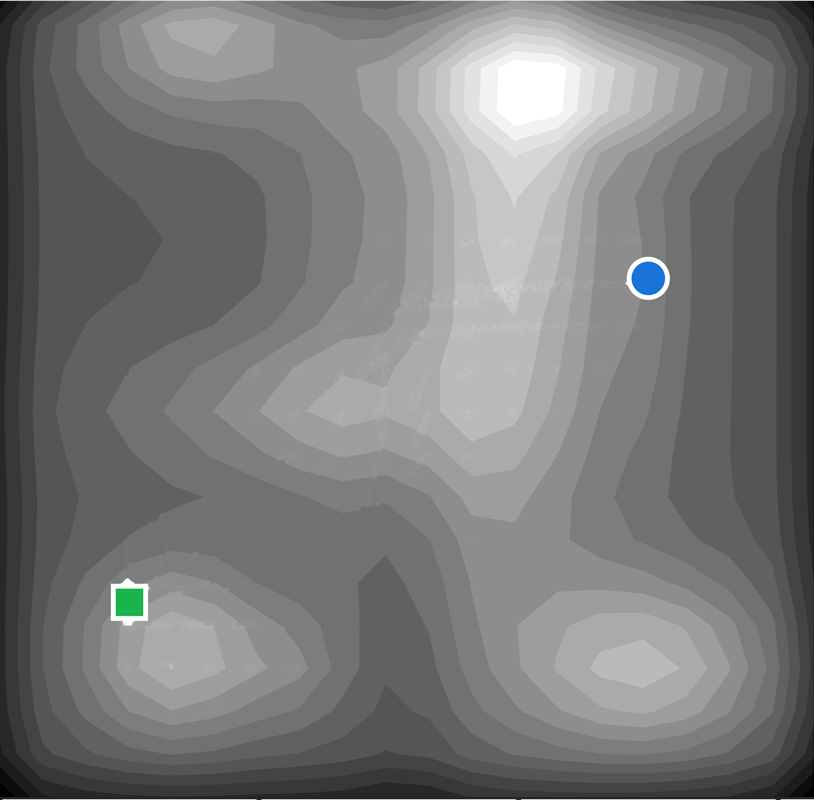
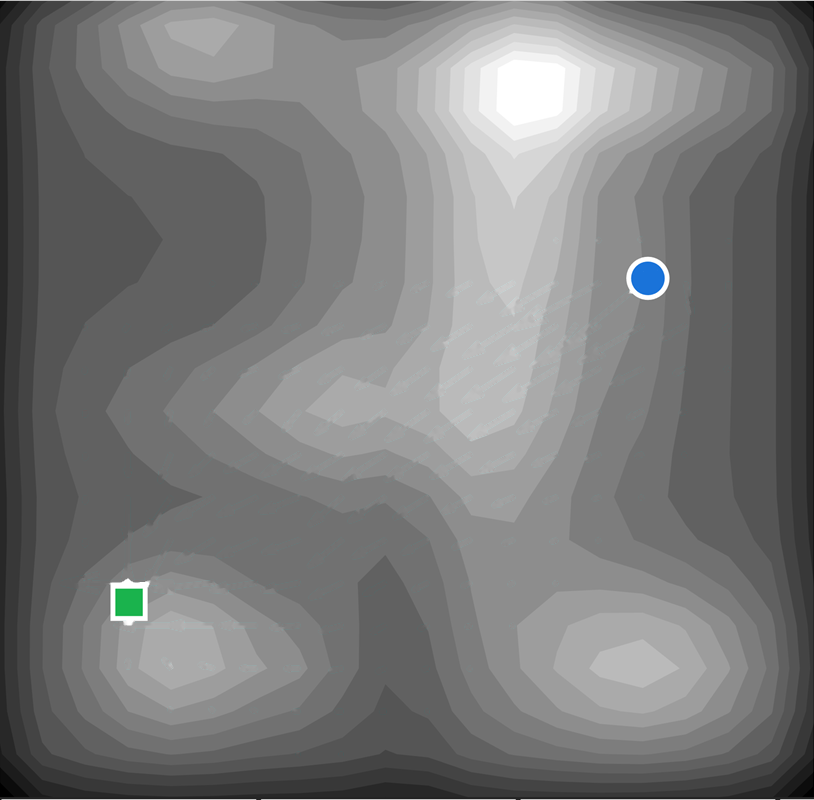
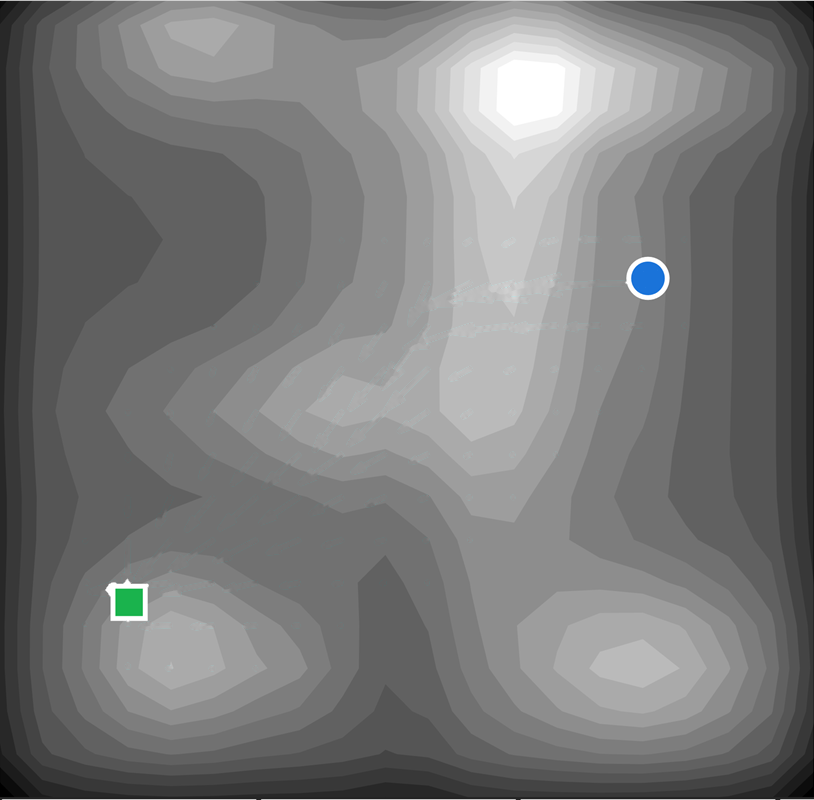
J+ij = [fij − fji]+, Ĵ = J+/ΣJ+
ΩJ = Σij min(Ĵ(0)ij, Ĵ(b)ij), ΩJ = 1 ⇔ conserved pathway
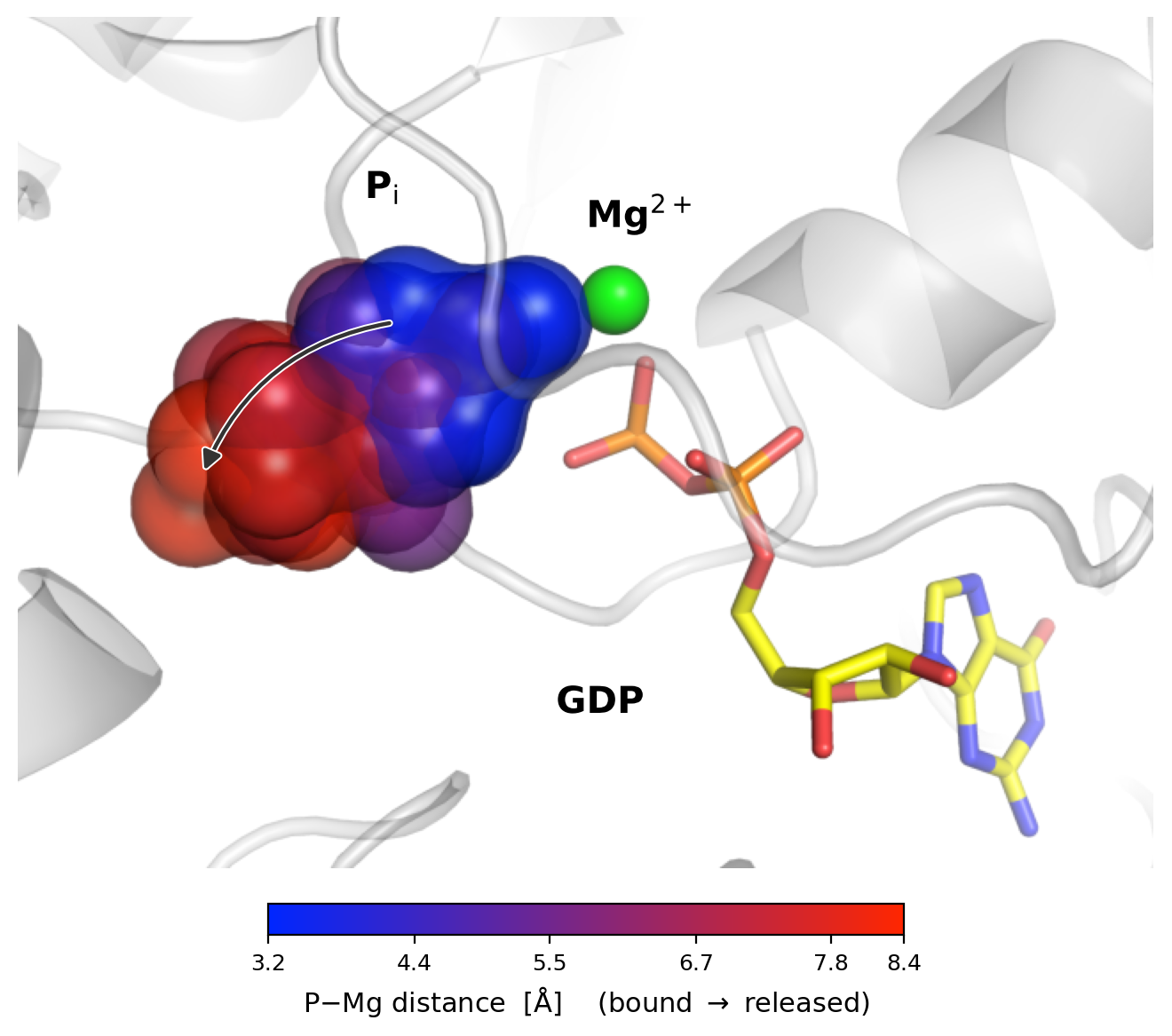 3.3Å7.0Å
Ras phosphate release · Wang et al.
3.3Å7.0Å
Ras phosphate release · Wang et al.
Molecular design & discovery
Translate molecular free energies into prospective design decisions.
We combine binding free energies, molecular dynamics and scalable screening to evaluate ligands, protein mutations and cooperative complexes. The goal is not only to predict a score, but to understand which interactions make a design work.
Molecular glues
Cooperativity and ternary-complex stabilisation in targeted protein degradation.
Ligand discovery
Structure-based screening and community benchmarks for challenging targets.
Mutational scans
Mechanistically guided evaluation of protein sequence space.
Computational design
Workflows that combine simulation accuracy with decision-making at scale.
Molecular glues in practice
Published structures and free-energy calculations connect ternary-complex geometry to measurable cooperativity.
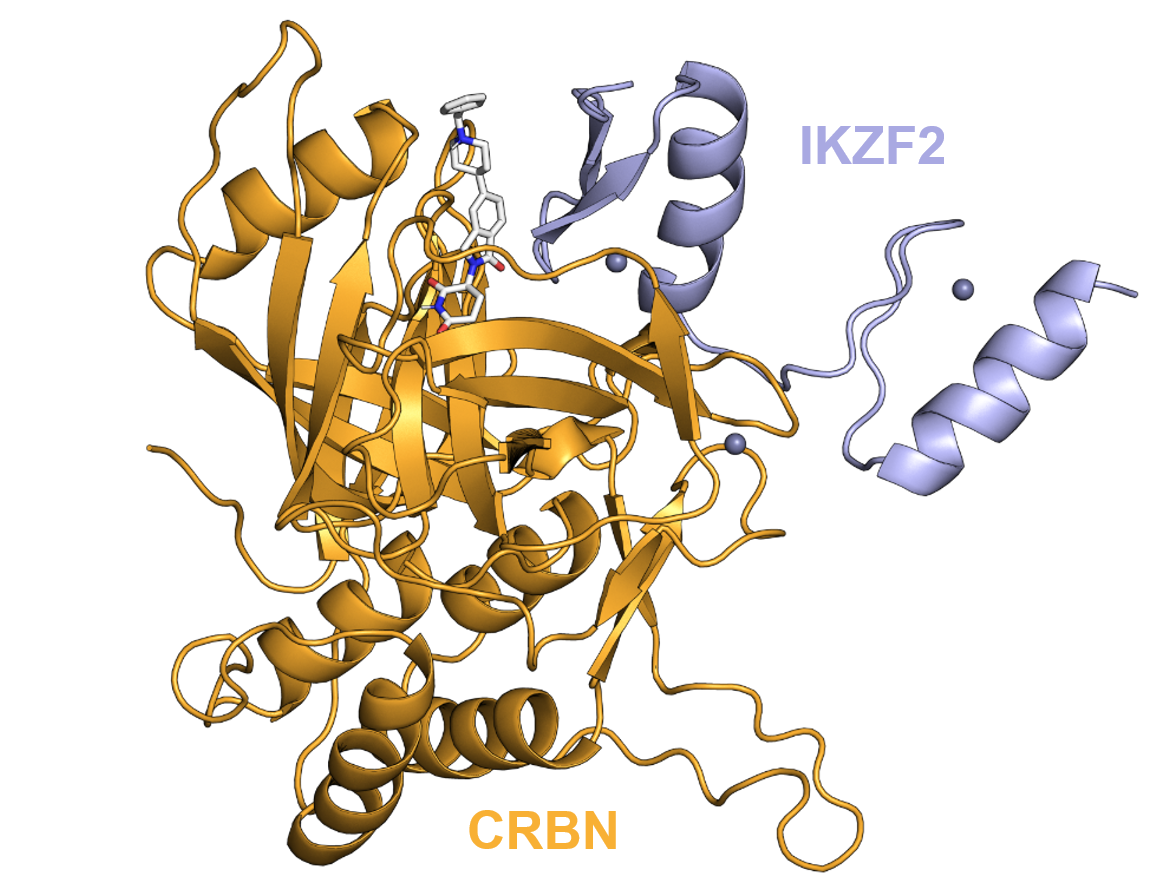 01Ternary-complex geometry. The glue stabilises a new protein–protein interface between CRBN and IKZF2.
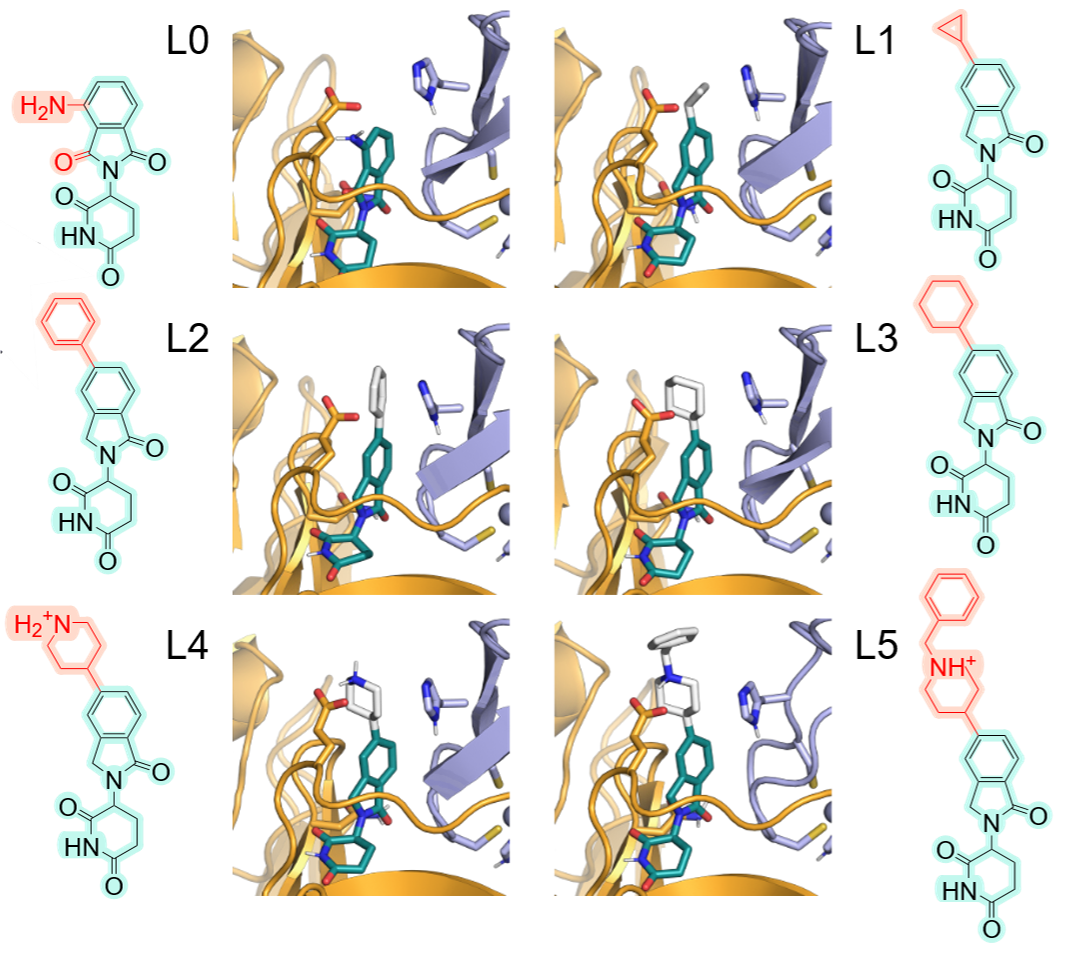 02A ligand series probes the interface. Small chemical changes reorganise the ternary binding mode.
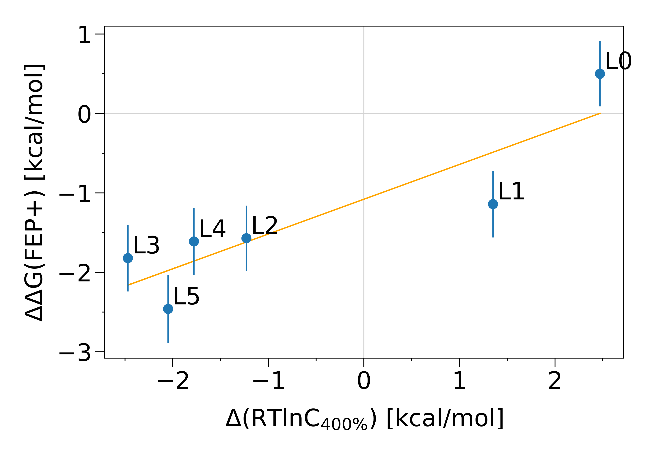 03Cooperativity becomes a design signal. Free energies distinguish stabilising and destabilising glue candidates.
Dudas, Athanasiou, Mobarec & Rosta · J. Chem. Theory Comput. 2025
Scientific workflow
Prediction grounded in mechanism.
Each project uses the level of theory and sampling strategy required by the question—not a one-size-fits-all pipeline.
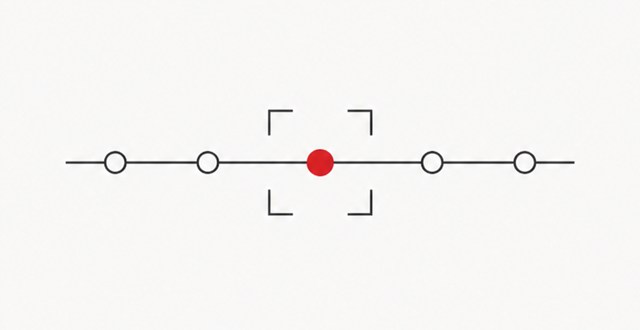
Frame the observable
Define the experimental quantity, uncertainty and molecular hypothesis.

Construct the ensemble
Prepare chemically realistic states and sample the relevant conformational space.

Resolve the mechanism
Calculate pathways, thermodynamics, kinetics or binding cooperativity.
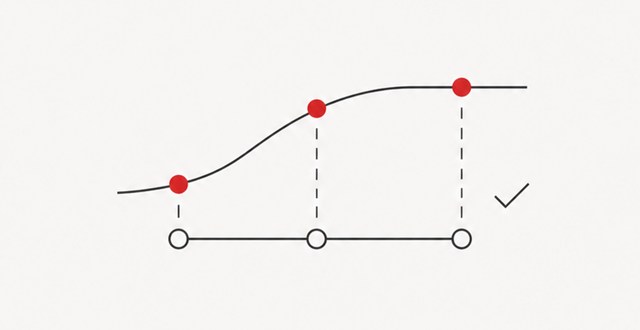
Test the prediction
Compare against experiment and use disagreement to refine the model.
Methods
Tools across electronic, atomistic and statistical scales.

Collaborate
Mechanistic hypotheses that require quantitative molecular resolution.
We collaborate on problems where multiscale simulation can discriminate reaction pathways, quantify free-energy differences or interpret kinetic observables.
Discuss a project →